

Exploring the cultural influence of casinos in modern society
The Historical Roots of Casinos
Casinos have a long and storied history that dates back to ancient civilizations. The earliest forms of gambling can be traced to China, where games of chance were played using rudimentary betting systems. As societies evolved, so did the complexity and organization of gambling establishments. The first official casino, the Casino di Venezia, was established in Italy in 1638, marking a significant step in the formalization of gambling as a cultural activity. This historical context sets the stage for understanding how casinos became intertwined with social practices. Interestingly, platforms like Grand Mondial Casino are part of this evolving narrative, reflecting modern influences on gambling culture.
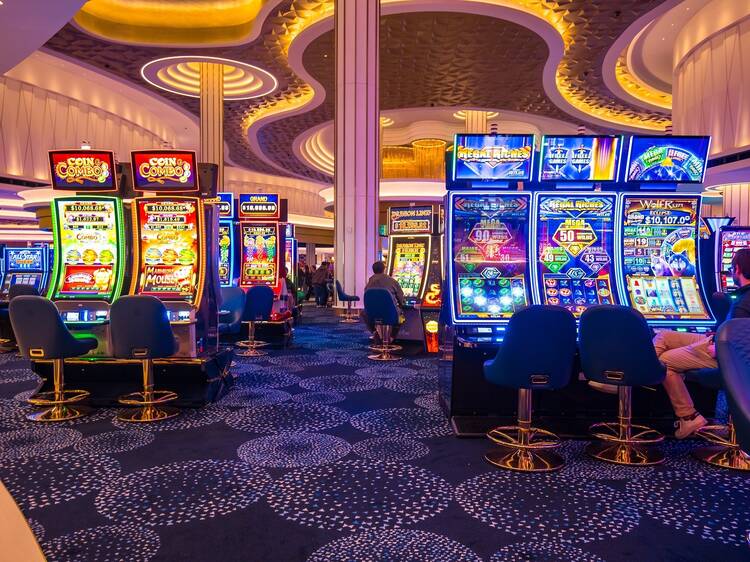
The emergence of casinos across Europe and the Americas transformed gambling into a popular leisure activity. By the 19th century, casinos became centers of social life, attracting aristocrats and commoners alike. The glitz and glamour associated with these establishments turned them into cultural icons. As the Industrial Revolution brought about social changes, gambling also adapted to reflect modern values, leading to the rise of Las Vegas and other gambling hotspots that continue to influence cultural dynamics today.
The historical evolution of casinos highlights their role not only as entertainment venues but also as social gathering places. They provided a sense of community and a space for interaction across diverse groups. This communal aspect helped casinos to maintain relevance throughout significant societal changes, further embedding them into the cultural fabric of modern societies.
The Economic Impact of Casinos
Casinos play a significant role in the economy of many regions, providing jobs and stimulating local economies. In areas where casinos are located, they often become major employers, creating thousands of jobs not only within the casino itself but also in ancillary industries such as hospitality and tourism. This economic boost has led many local governments to embrace casinos as a means of funding public services, infrastructure, and educational programs.
The influx of tourists seeking entertainment also contributes to the economic vitality of casino-rich areas. For example, cities like Las Vegas and Atlantic City have built entire economies around their casinos, attracting millions of visitors each year. This tourism generates substantial tax revenue, which can be utilized for community improvements and social programs. However, the economic benefits of casinos are often accompanied by social costs, including gambling addiction and crime, prompting ongoing debates about their overall impact on society.
Moreover, the revenue generated by casinos has encouraged many states and provinces to explore gambling as a viable source of income. While some communities have embraced casinos for their economic potential, others remain wary of the social implications, leading to a complex relationship between local governments and the gambling industry. This ongoing dialogue reflects the challenging balance between economic development and responsible governance in modern society.
Casinos as Social and Cultural Hubs
Casinos have evolved into multifaceted entertainment hubs that extend far beyond gambling. They often host a variety of events, from concerts and shows to culinary experiences and art exhibitions. This diversification allows casinos to attract a wider audience, transforming them into vibrant community spaces where culture and entertainment converge. As social venues, casinos foster interactions among people from different backgrounds, creating a unique cultural melting pot.
Additionally, casinos contribute to the arts and culture through their support of local artists and performers. Many casinos invest in live music, theatrical productions, and art installations, providing a platform for creative expression. This investment not only enriches the cultural landscape of the area but also encourages local talent, creating a symbiotic relationship between the casino and the community it serves. The integration of arts and culture within the casino environment enhances the overall experience for patrons, making them more than just gambling venues.
Moreover, casinos have adapted to changing cultural trends by incorporating technology and social media into their operations. Online gaming platforms and mobile applications have expanded the reach of casinos, allowing for virtual experiences that complement traditional gaming. This adaptation underscores the dynamic nature of casinos as they continue to evolve alongside societal shifts, solidifying their role as contemporary cultural institutions.
The Role of Technology in Modern Casinos
Technology has profoundly transformed the casino landscape, altering how people engage with gambling. The rise of online casinos has made it possible for players to enjoy their favorite games from the comfort of their homes. This accessibility has broadened the audience for gambling, allowing casinos to tap into global markets. As a result, traditional brick-and-mortar establishments have had to innovate to keep pace with their online counterparts.
Moreover, the integration of advanced technology, such as virtual reality and augmented reality, offers exciting possibilities for enhancing the gaming experience. These technologies immerse players in realistic environments, providing a more engaging and interactive experience. As casinos explore these innovations, they attract tech-savvy younger audiences who prefer dynamic, interactive forms of entertainment. This shift represents a significant cultural change in how gambling is perceived and experienced in society.
The growing use of data analytics in casinos further showcases the impact of technology. By analyzing player behavior and preferences, casinos can tailor their offerings and marketing strategies, creating more personalized experiences. This data-driven approach not only enhances customer satisfaction but also allows casinos to optimize their operations for efficiency and profitability. As technology continues to evolve, it will undoubtedly shape the future of casinos and their role within the cultural context of modern society.

Grand Mondial Casino and Its Cultural Influence
Grand Mondial Casino is a prime example of how modern casinos are adapting to the cultural influences of today’s society. Catering specifically to Canadian players, it offers a wide array of games, from classic slots to live dealer options, reflecting the diverse preferences of its audience. This focus on variety and accessibility demonstrates the casino’s commitment to providing an engaging cultural experience for its users.
The platform’s design is optimized for both desktop and mobile use, allowing players to enjoy their favorite games anytime and anywhere. This flexibility aligns with contemporary lifestyles, where convenience is paramount. Moreover, Grand Mondial Casino prioritizes security and user support, fostering a trustworthy environment that resonates with players’ growing concerns over online safety. This commitment to customer service reinforces the idea of casinos as not only entertainment venues but also responsible participants in modern society.
Through its innovative approach and dedication to player satisfaction, Grand Mondial Casino exemplifies how modern casinos can influence cultural norms and practices. By embracing technology, fostering community engagement, and prioritizing user experience, it underscores the evolving role of casinos as dynamic cultural entities in the landscape of modern society.